Wednesday, February 26, 2014

Post 6

Based on your opinion, studies of past events, etc.  Ponder the question below and respond with one paragraph of thoughtful analysis.  You CAN use I language for this:

Why do people choose to participate in horrific events?

I don't think that people choose to participate in these events, they were forced, or they have a personal reason to take part.  A large majority of the people are forced to take part, whereas a small portion of the people are participating for revenge, vengeance, or another personal reason.  The people who are forced to do it are threatened, or are being blackmailed in some way.  


  • We/They
  • Threat, Self Preservation
  • Power
  • Misled/Convinced that it was right
    • Single Story
      • Who Convinced
      • Leader
  • Scared to be the only one
    • Up-stand
  • Convincing

Tuesday, February 25, 2014

Post 5

In your opinion, what  is the best way to overcome trauma?

Do what you want.  Just to get away from it all; go drive, go to the beach, do something to forget about what traumatized you.  Something other than drinking - I don't think that that would help you overcome trauma - it would help you forget it for a short time.  

Board

  • Talk to Psychologist
    • Therapist
    • Talk to someone who can help
      • So that someone else knows

Monday, February 24, 2014

Post 5

"In recent weeks, President Pinera has said that while the military has been assigned all of the blames for the dictatorship, there are still civilians who benefited from the regime but who have never taken responsibility.  In the end, he said, the country needs both justice and forgiveness."


  • Do you agree or disagree with this idea, that those who benefited would be responsible?
I agree with the idea completely.  The military was just following Pinochet's orders, and some of the other people who were acting on their own accord should be recognized, because they were doing unethical things when they were not forced to.  
  • How does the call for justice connect to the call for forgiveness
I think that the call for justice is louder than the call for forgiveness.  People want justice or closure more than forgiveness.  They want to know what happened to their loved ones/what happened to the people who did it.  
  • What does this quote say about where the country of Chile's citizen's fall in their Universe of Obligation?  Who is in and or out of their universe?  Why do you day that?
The citizens of Chile were not in the Universe of Obligation when they were under Pinochet's rule.  Currently, I think that they are in the Universe of Obligation, as President Pinera is trying to give them some sort of closure/Justice/Revenge.  The quote proves that now the government has the people in their 

Thursday, February 20, 2014

Post 4

-What acts of revolution/rebellion did you see in the Nostalgia of Light?  
-In your opinion, which act of preserving history was the most effective, and why?

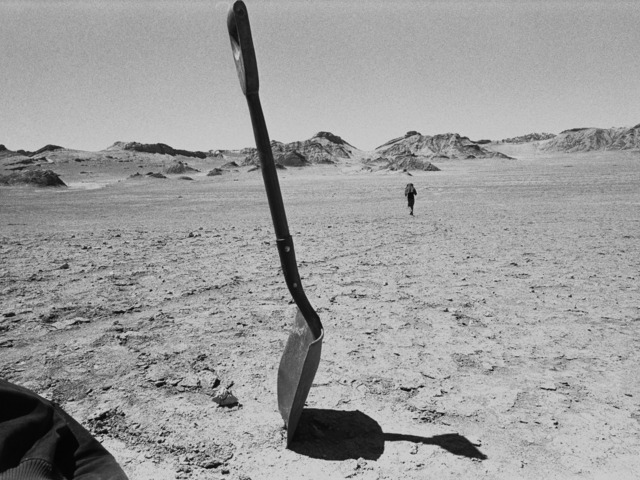
I saw how the women who were digging in the desert was like a silent protest, they need closure; they need to know where their loved ones ended up.  This, in its own way, was a rebellion against the Chilean government.  Another act of rebellion was the people who would look at the stars when they were not supposed to.  Same thing with the women who were making the quilts with messages against the Chilean government in them.  

I think that the quilts were the most effective in preserving the revolution, because it depicted what they were going through, and it showed how angry people were at the government.  Although, tone that made the most sense to me was the women digging in the desert to find their loved one's bones.  This was really emotionally connected, and people who have heard about it will remember it forever.  

Wednesday, February 19, 2014

Post 3

When you look at the Arpilleras work, do you think that they count as acts of revolution and rebellion?  Do they count as a voice? Why/Why Not?


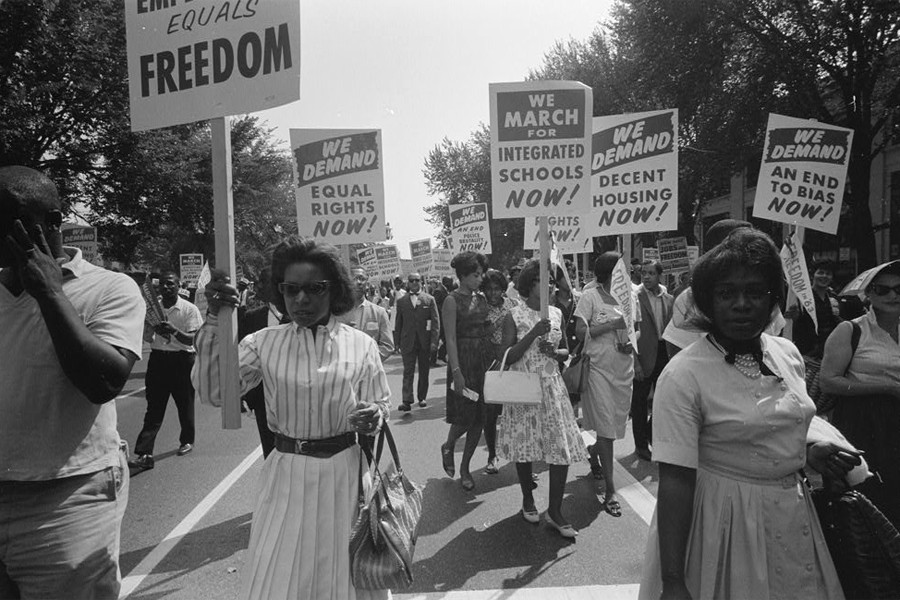
  • Count as a silent protest
    • March on Washington
    • Different type of rebellion
    • Not a revolution
      • Did not do much
  • Counts as a voice
    • Shows opinion
    • Not violent
      • Voices normally aren't
    • Different type

Wednesday, February 12, 2014

Post 3

"Power is the ability to take ones place in whatever discourse [Conversation/Discussion] is essential to action and the right to have ones part in the matter"


-How does this quote help to explain how long it took to unearth the Congolese Genocide?  Why do you think it took so ling?


  • It shows that if you have power, you have people
    • You have the power of speech
    • Change what people think
  • Persuade people
  • Bend the rules
  • Bend what people say
  • Change History
  • Keeps people from speaking up
  • You have power
    • you have speech
    • you have speech you have government
    • you have government
    • you have other nations

Thursday, February 6, 2014

Post 1

After looking at all of these activists, which form of voice do you think is the best?  Which would you choose?


I think that Mandela's form of voice is the best because it allows enough violence to get the job done, but not all out war.  This prevents revolution, but it incorporates enough talk to create a compromise.  He will only use war if absolutely necessary; self defense, last resort, tries peace first.  Try peace first.


Board:

Gandhi

  • Peace
  • Equality
  • Constant
  • Spread peace through peace
Mandela
  • Education
  • Try peace first
    • Last resort
  • Self defense
  • Last resort
Che
  • does not focus on problem
  • violence